Personal Branding: Being the CEO of the Brand Called 'You'
Learn how to treat your career like a business. Follow our simple guide to build your online profile, grow your network and build deep trust today.

Personal Branding: The CEO Guide to Building Your Name
Personal Branding: How to Be the CEO of the Brand Called 'You'
Personal branding means managing your career reputation like a valuable business. To be the boss of your own brand, you should do three things. First, know your unique value. Second, know your target audience. Third, share useful updates online regularly. This practice builds trust, assists you meet important people and grows your career.
At Pella Nova, we believe you must take control of your career. Stop waiting for your boss to plan your growth. You should see yourself as an independent business. You are the chief executive officer (CEO) of your own life.
This simple guide will show you how to build a strong personal brand website. You will learn how to find your main strengths. We will show you how to improve your online profiles and share great content. These steps work for corporate leaders, consultants and anyone who wants to grow.
The Mindset Shift: Your Career is a Business
Most people see themselves only as workers. They focus on daily tasks and wait for a monthly paycheck. This passive habit puts your future in someone else’s hands. You should change your mindset completely.
Think of your skills as a product for sale. Your clients are employers, partners and coworkers. When you think like a CEO, your view on work changes. You will stop waiting for good things to happen. Instead, you start creating your own luck.
Real corporate bosses make long term plans, research new ideas and manage their public image rather than simply waiting for market changes. You should do the same things for your personal branding. Set a clear goal, protect your name and learn new skills every year.
Finding Your Core Assets
Every good business knows why its products are special. Before you talk to the public, you should know your own strengths. This clarity is the foundation of a great brand.
Start by finding your top skills. What troubles can you solve better than other people? Look at your mix of training, personality and work history. Your true brand sits right between what you love to do and what people will pay for.
We suggest writing a short personal mission statement for your brand identity. This statement should say who you assist, how you assist them and the results you bring. Keep it short and very simple. A good mission statement assists you make right choices and keeps your message clear.
Building Your Online Infrastructure
A business needs a shop or an office to run well. Your personal branding needs online platforms to reach people. Today, your digital profiles act as your business storefront.
Your LinkedIn profile is the foundation of your online brand. It is the first place where people go to check your background. Make sure that you use a clean and professional photo. Write an exciting headline and a clear summary of your wins. Treat your profile like an active business page rather than an old resume.
We also highly recommend building your own personal brand website. When you own your domain name, you own your story. You can show your work, write blog posts and collect emails. A website protects you when social media platforms change their rules.
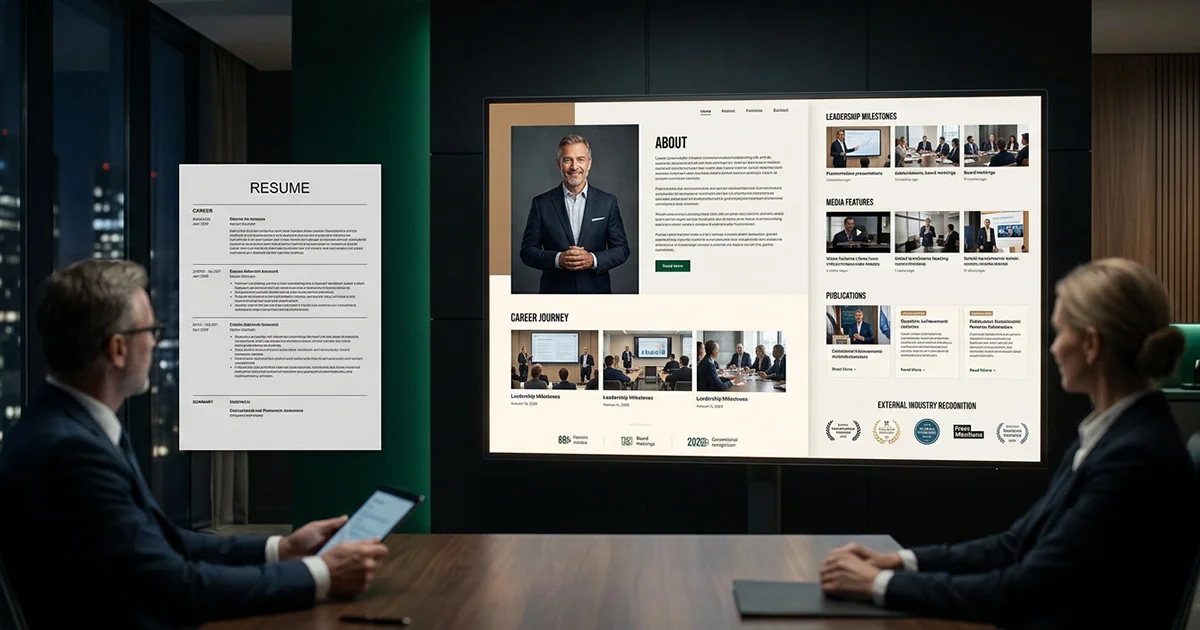
Traditional Resume vs. Personal Brand
| Strategy Element | Old Employee Habit | The CEO of "Your Brand" |
|---|---|---|
Main Focus | Job titles and basic tasks. | Creating value and solving troubles. |
Online Presence | An old resume used only for job hunting. | An active profile with useful ideas. |
Networking | Meeting people only when you need a job. | Building a friendly community every day. |
Learning Skills | Waiting for the company to train you. | Learning new things on your own. |
Market Place | Simply another worker in the crowd. | A known expert with special value. |
Step by Step Guide to Launch Your Brand
Building a personal brand takes time and steady work. Follow our simple five-step plan to launch your personal brand successfully.
- Find Your Audience: Know the actual people who need to see your name. These people can be top managers, new clients or recruiters. Learn about their biggest work troubles and goals.
- Fix Your Profiles: Update your LinkedIn, online portfolios and websites. Use a high quality photo and keep your information the same on all sites. Use words common in your industry so that people can find you.
- Make a Simple Schedule: You should post regularly to build trust. Try to post useful ideas two times every week. Share short tips, longer articles and interesting news about your work.
- Talk to Your Community: Branding is a two way conversation. Follow leaders in your industry. Leave smart comments on their posts and answer common questions. This assists you build real relationships.
- Check Your Name: Search your name on Google often to see what comes up. Make sure that the results match the image you want. Watch your profile views to see whether your plan is working.
Best Practices and Mistakes to Avoid
Good rules will assist you grow your brand faster. At the same time, avoiding basic mistakes will keep your name safe.
We always tell people to be real. Avoid creating a fake persona that unmatch your real skills. Being real builds deep trust. Sharing your real mistakes and lessons is simply as important as sharing your wins.
Also, choose quality over quantity. It is much better to post one amazing tip a week than five boring updates a day. Stay away from online arguments and avoid posting angry opinions that could hurt your career.
Real World Success Story
- The Problem: A supply chain manager in Dubai felt invisible at work. He had fifteen years of great experience. Still, he missed out on big promotions because top bosses were unknown to his work.
- The Solution: The manager worked with Pella Nova to use our business branding steps. He fixed his LinkedIn profile to show how much money he saved his company. He also started posting useful tips about global shipping twice a week.
- The Result: In six months, his posts were seen over 150,000 times. Top managers from three big companies messaged him about open roles. He took a new Vice President job and got a 35% pay jump.
Easy Tools to Use
- LinkedIn Premium: A paid tool that shows who looks at your profile. It assists you search for and connect with top bosses. (Paid)
- Canva: It is an easy design site. You can make beautiful banners and images without being an artist. (Free and Paid)
- Buffer / Hootsuite: These are tools that let you plan and set your social posts to go out automatically. (Free and Paid)
- Google Alerts: It is a free tool that sends you an email when someone writes your name online. (Free)
Conclusion
Taking control of your personal branding is the best way to secure your future. When you think like a CEO, you stop being a passive worker. You become a valued market leader. Staying consistent and sharing real value are the keys to success.
Ready to build your reputation and find better work opportunities? We assist professional leaders grow their personal brands. Contact our team at Pella Nova today to get brand identity design services at affordable rates.
FAQs
What does it mean to be the CEO of your personal branding?
Being the CEO of your personal branding means taking full control of your own career. Instead of waiting for a boss to assist you grow, you treat your skills like a useful product and your reputation like a valuable business. You should plan, protect and share your professional image actively so that clients see your true value clearly.
How can I identify the core assets of my personal brand?
Look at where your best skills match what companies need to find your brand’s strengths.
- First, make a list of your special hard and soft skills.
- Next, look at the market to see what troubles need urgent fixing.
- Finally, focus highly on the sweet spot where your favorite work matches what clients pay for.
What platforms are essential for a professional digital footprint?
A professional online presence needs the right web channels to show your value safely.
- LinkedIn profile: This acts as your main business storefront on the internet.
- Personal website: Buy your own domain name to take full control of your career story.
- Content hubs: Use newsletters or portfolio spaces to share your knowledge with your audience directly.
How often should I post content to build a personal brand?
Posting on a regular schedule is much more important than sharing a lot of low quality updates. Try to share two useful posts or articles every week like original tips, real world examples or industry news. Finally, make sure to reply to comments to build real trust with the people in your network.
Can shy or introverted professionals build a strong personal brand?
Yes, introverts can easily build an amazing personal brand without speaking in public.
- Write insights: Share beneficial text posts, real world examples or newsletters on LinkedIn.
- Curate value: Share good news and data from your industry with your own short notes.
- One-on-one networking: Build deep work friendships through quiet private text messages.
Should my personal brand focus only on my current job title?
No, your personal brand should focus on your whole industry instead of only on one job. Frame yourself as an expert who can solve big troubles for anyone in your field. This keeps your value high when you change companies and allows you to build a strong name that outlasts any single employer.
What is the most common mistake when building a personal brand?
The biggest mistake is trying to build a fake image that fails to match who you really are.
- Avoid exaggeration: Making up fake wins quickly destroys your long term trust.
- Be authentic: Share your real work struggles alongside your big wins.
- Value quality: Avoid posting boring or useless updates that crowd people's feeds.
How do I measure the success of my personal branding strategy?
You can track your brand strength by checking your profile numbers and new opportunities.
- Profile views: Watch whether important bosses or recruiters look at your LinkedIn profile.
- Inbound leads: Count how many private job offers or client calls you get without asking.
- Network engagement: See whether people share your posts and ask you for support.
How do I write a simple personal brand mission statement?
A strong mission statement explains your actual work value in a few clear words.
- Target market: State who you support in your line of work clearly.
- Trouble solved: Explain the precise daily troubles you can fix.
- Clear results: Detail the specific growth or savings you bring to your clients.
Why is a personal brand website better than a social media profile alone?
Having your own website gives you total ownership over your professional online profiles. It gives you full control to choose your own layout and content without worrying about social media rules or algorithms. You can also collect email addresses to talk to your audience directly. This protects your career image safely when social media channels shut down or change.
WRITTEN BY
Atul Lohar
We build structured reference pages for founders, executives, consultants and public-facing professionals.
KEEP READING
16 July 2026
Personal Biography vs Professional Resume: Which One Actually Builds Authority Online?
Which builds more authority online, a personal biography or a resume? Learn the simple answer and the exact steps to grow your brand identity.

15 July 2026
How Your Personal Biography Shapes a Strong Personal Brand
Craft a personal biography to strengthen branding strategies. With skills, achievements, hobbies and aspirations, we boost relevance and visibility in the domain.

15 July 2026
How a Personal Branding Expert Builds Trust, Authority, and Lasting Credibility
A Personal Branding Expert creates a robust digital presence by integrating trust, respect and authority. It shapes digital presence with clarity and precision.